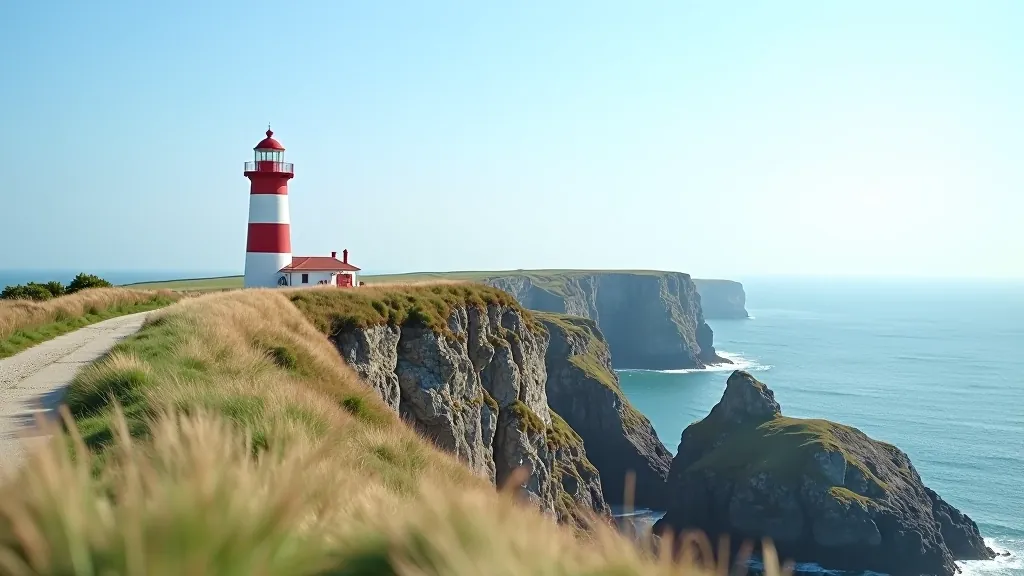
Hook Head Lighthouse Path: A Complete Walking Guide
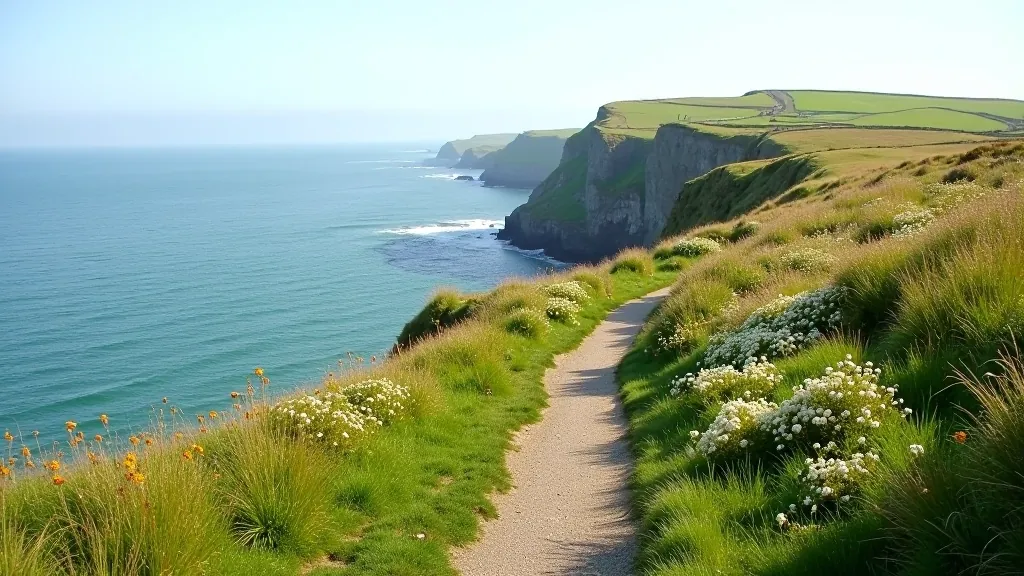
The full route around Hook Head includes stunning coastal views, manageable terrain, and one of Ireland's most iconic lighthouses.
A practical checklist of everything you'll need for a comfortable and safe seaside adventure along Ireland's stunning coastline.
There's nothing quite like a walk along the Irish coast. The sea air, the dramatic cliffs, the sense of freedom — it's what keeps people coming back. But you'll enjoy it so much more when you're prepared. We're not talking about complicated gear lists or expensive equipment. It's really about having the right basics with you so you're comfortable, safe, and able to focus on what matters: the walk itself and the views around you.
The good news? Most of what you need is probably already in your home. A decent pair of walking shoes, a light jacket, some water. Once you know the essentials, you'll realize coastal cliff walks are wonderfully straightforward to prepare for. Let's walk through what makes a difference.
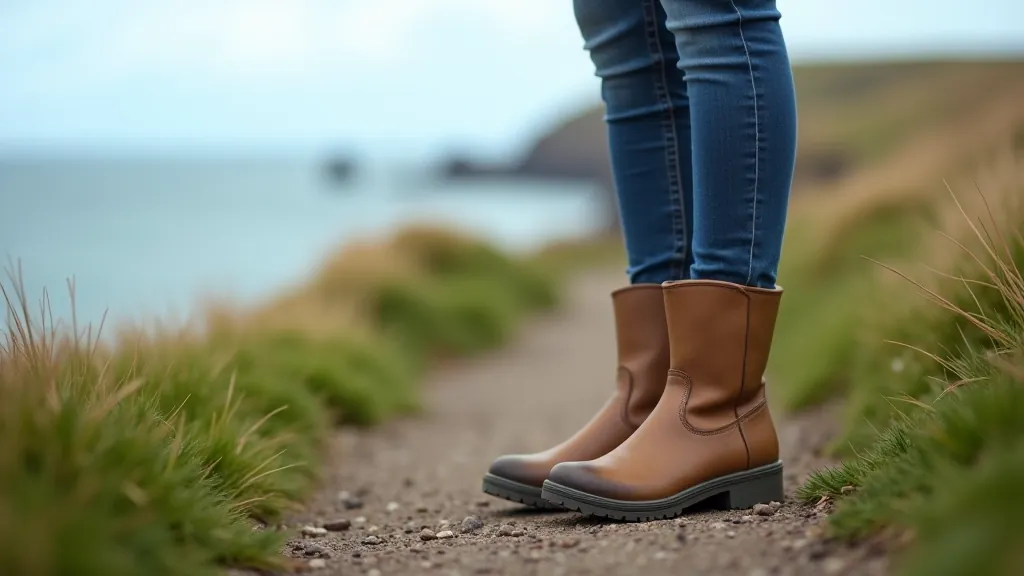
Your feet carry you the whole way. Get this wrong and you're in for an uncomfortable afternoon. Get it right and you'll barely think about your feet at all.
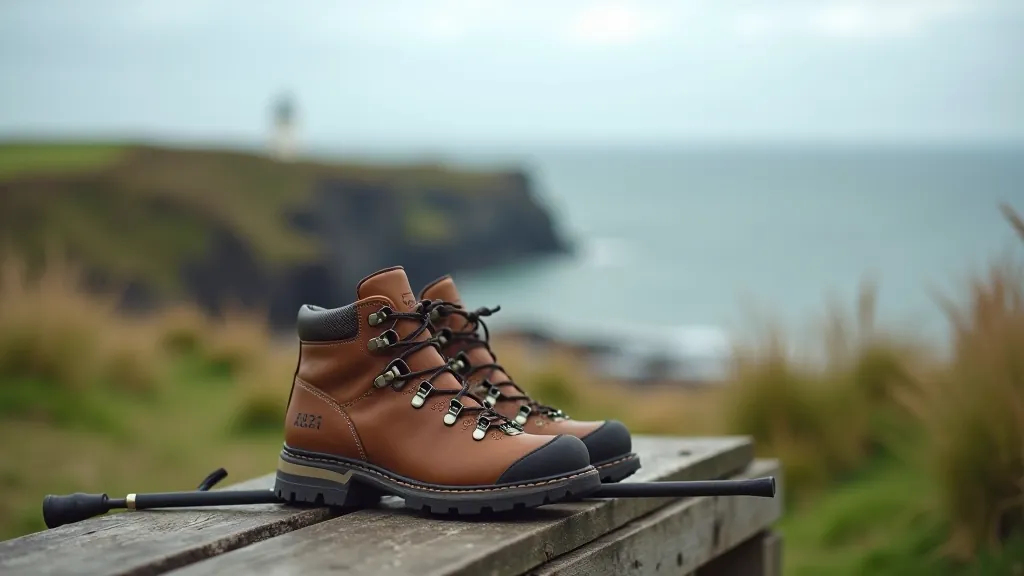
What you actually need: shoes with proper grip. The coastal paths aren't always dry. Grass can be slippery after rain, and rocky sections demand traction. You don't need expensive hiking boots unless you're tackling steep terrain regularly. What matters is grip and ankle support. Walking shoes or low hiking boots work brilliantly. They'll protect your feet from twists on uneven ground, and the sole design keeps you stable on damp surfaces.
Irish coastal weather is... unpredictable. You might leave home on a clear morning and encounter wind or rain by lunchtime. That's just how it works here. The key isn't avoiding bad weather — it's being prepared for it so it doesn't stop you.
Layering is your strategy. Start with a moisture-wicking base layer (merino wool or synthetic, not cotton). Add a warm middle layer — a fleece or lightweight jumper. Then pack a waterproof windproof jacket in your bag. You'll take it off when you're warm, put it on when the wind picks up. Three simple layers and you're comfortable across a wide range of conditions.
Lightweight, packable, with a hood. Don't overspend — a budget jacket works as well as an expensive one for coastal walks.
Keeps sun and wind off your face. A baseball cap works, or a wider-brimmed hat if you prefer more coverage.
Coastal winds can be surprisingly cold even on sunny days. Lightweight gloves that aren't too bulky are ideal.
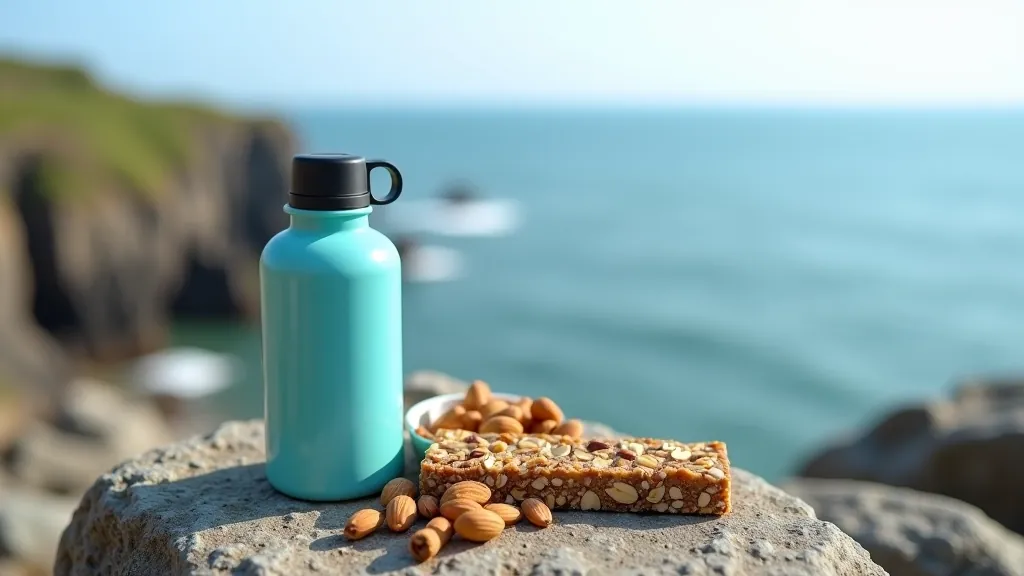
Walking in open coastal air is deceptive. You might not feel thirsty because of the wind and cooler temperature, but you're losing moisture all the time. Dehydration creeps up on you. Suddenly you're tired, your legs feel heavy, and the walk stops being enjoyable.
Bring water. A 500ml bottle is minimum, 1 litre is better if you're doing more than an hour. Don't wait until you're thirsty. Take regular sips. And eat something — not a full meal, but snacks. Nuts, dried fruit, an energy bar, a banana. These give you steady energy without sitting heavy in your stomach.
Pro tip: Bring a small amount of food even on short walks. A walk that takes 45 minutes often stretches to 90 minutes when you stop for views and photos. It's better to have it and not need it than wish you'd brought it.
Beyond comfort, a few safety items make sense. A basic first aid kit — plasters, antiseptic wipes, pain relief tablets. A charged phone for emergencies (even if you don't expect to need it). A whistle. Sunscreen even on cloudy days — the sun reflects off water and sky.
Tell someone where you're walking and roughly when you'll be back. Coastal paths are safe, but this is just smart practice. Wear bright colours or a high-visibility vest if you're walking near roads or busy areas.
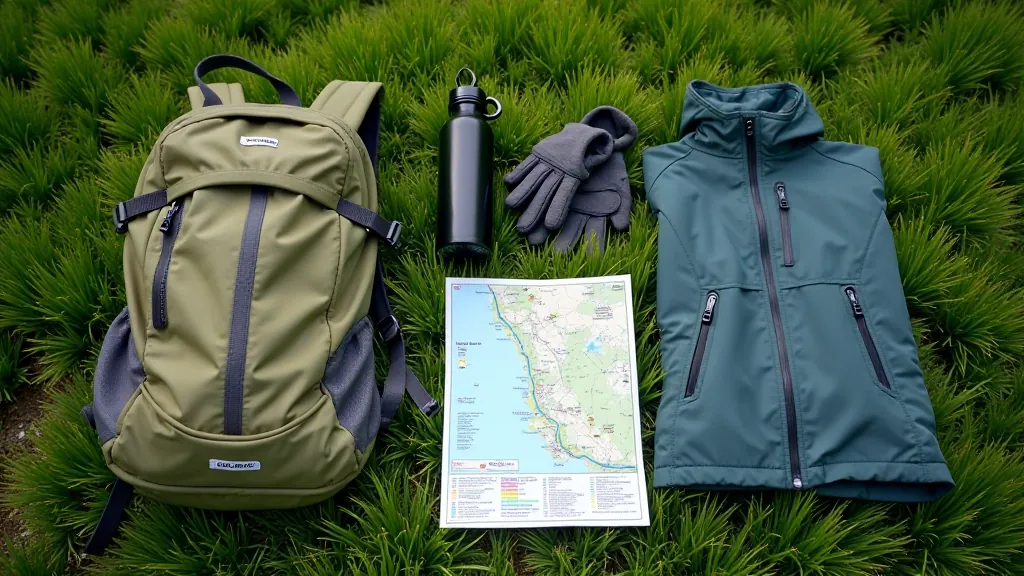
A small backpack keeps everything organized and your hands free. You don't need anything fancy — 10-15 litres is plenty. Bring tissues (for wind and weather), a small towel or microfibre cloth, sunglasses, and a waterproof bag for your phone or keys. A walking stick or pole helps on steeper sections and takes pressure off knees on descents.
Comfortable straps, waterproof or water-resistant. You're carrying water, snacks, and weather gear — not much weight.
Reduces knee strain on descents. Makes you more stable on loose ground. Collapsible ones pack easily.
Wind and sea spray happen. A waterproof bag for rubbish too — leave nothing behind.
In a waterproof pouch. You're not expecting emergencies, but a charged phone is peace of mind.
Coastal sun exposure is real even on hazy days. SPF 30 minimum. Lips get chapped quickly in sea wind.
Coastal paths are usually well-marked, but knowing the route removes doubt. Phone maps or paper maps both work.
That's really it. You don't need expensive specialized gear or a complicated routine. Good shoes, weather protection, water, snacks, and a few practical items. Pack these and you're ready for a brilliant walk along the coast.
The Irish coastline offers some of the most rewarding walking experiences in the world. Whether you're exploring the Hook Head lighthouse path or quieter stretches of cliff and strand, the views are worth getting right. And when you're properly prepared, you'll stay comfortable and focused on what really matters — the walk, the sea, and the sense of space that only coastal paths give you.
Start with a shorter route if you're new to coastal walking. See how you feel. Notice what you used and what stayed in your bag. Over a few walks, you'll develop your own system. That's when coastal cliff walks become not just a nice day out, but something you'll want to do regularly.
Ready to plan your coastal adventure? Discover specific routes and walking guides tailored for all abilities.
View All Routes
This article provides educational information about preparing for coastal cliff walks. While we've aimed for accuracy, individual circumstances vary widely. Weather conditions, personal fitness levels, and specific trail conditions all affect what you'll need. Always check current weather forecasts and path conditions before heading out. If you have health concerns or haven't walked regularly, consider consulting your doctor before starting new walking routines. Coastal paths can be steep and exposed — never walk alone if you're uncertain of your abilities, and always inform someone of your plans.